
Forest Guide
When should the first young forest tending take place?
Forests grow without our help. But do your future trees still have room? Look at their crowns and competition, not just the age of the stand.
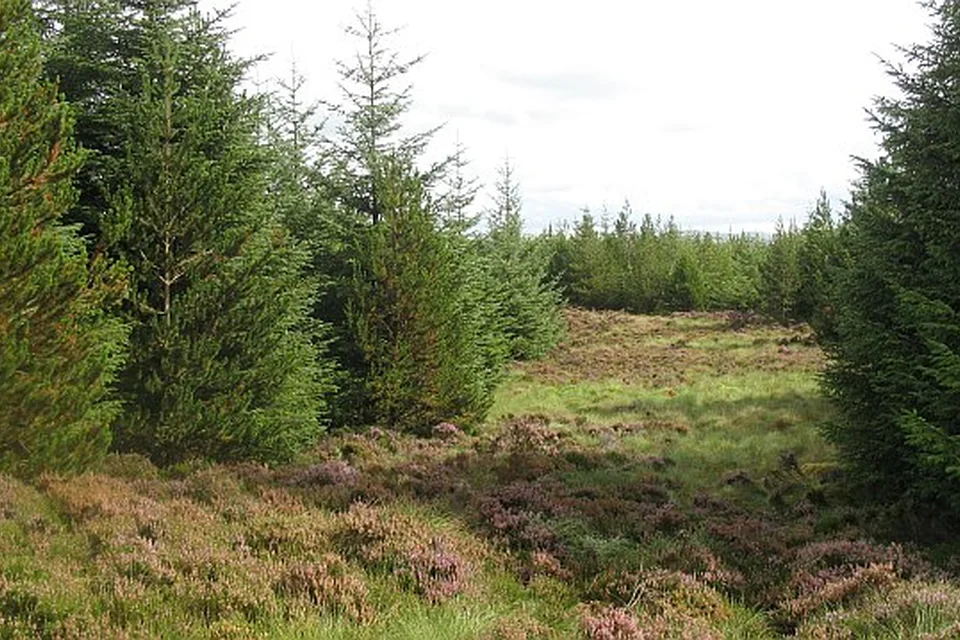
When do trees become crowded?
Look at the trees you want to keep. Do their tops get light and do their crowns have room? In dense stands, neighbours fight for light, water and nutrients. Clearing lets you choose good species and strong future trees while keeping valuable variety and nature areas.
A wet hollow and a drier slope may need different trees kept. An even result does not mean the same species mix everywhere.
What should you look for in young woodland?
When to clear depends on how the stand has developed, the species, height, density and site. A spruce plantation and a dense birch stand of the same age may need different treatment.
Walk several parts, not just the easy edge. Check crown space, trees growing over others and whipping damage, plus browsing risk and the species mix you want.
Can it wait another year?
Bigger stems usually take more work, and long competition leaves fewer good trees to choose from. Very early, heavy clearing can also bring sprouts or coarser branches. So the timing should match what you want.
When to clear and how hard go together. Plan to come back and check, especially where birch and other broadleaves grow back fast.
How do you know the work went well?
Before work, agree which species to keep, how dense, the boundaries and any natural or cultural features. Afterwards, check the instructions were followed and the chosen trees got room.
Look at several places afterwards. Check growing space, damage and the features that should be left; one good spot does not tell you about the whole site.
Your next step
Walk several parts of the stand, take photos of the competition and mark where to start.