
Forest Guide
When is understorey clearing needed before harvesting?
Does every small tree need clearing before the harvester comes? Not always. First ask where the understorey gets in the way and where it is valuable for nature.
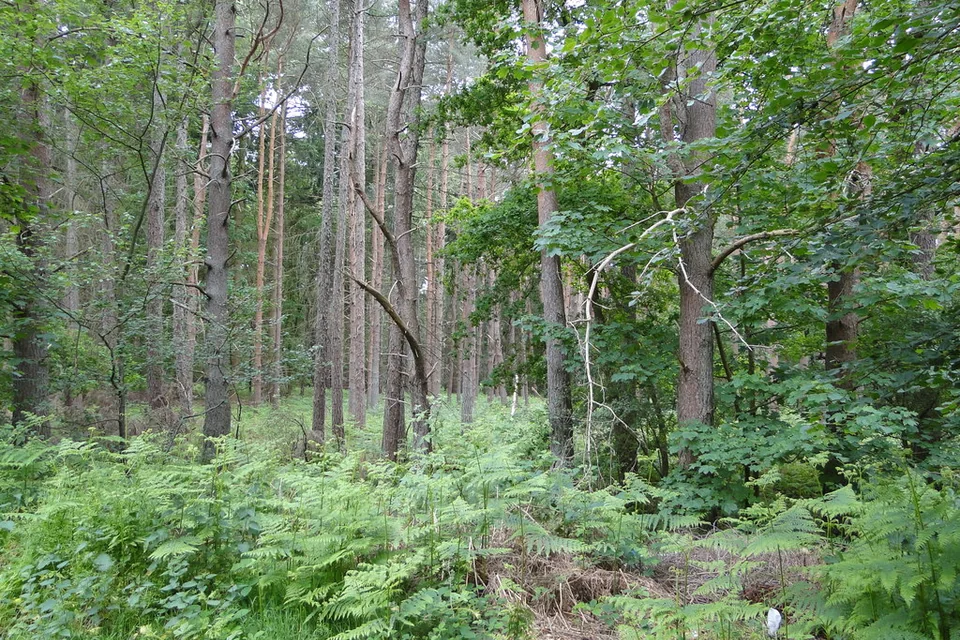
What can the operator not see?
Picture an operator trying to see a stem base behind dense small trees. Placing the head gets harder. It may take extra boom movements, or clearing the trees with the harvester itself. That takes time, especially in dense areas that were never cleared.
Clearing helps visibility but does not replace planning machine routes or checking the ground. Walk the actual problem spots with the planner or operator.
What did this particular study show?
In one time study in Jämtland, harvester productivity was 5–8% lower where understorey was left than where it was fully cleared. The chart shows those trial results, not a forecast for every forest.
The four plots were all in one spruce stand. Keep that in mind before using the comparison for another site.
Fewer minutes are not the whole calculation
In that trial, savings in harvesting and residue forwarding did not cover the cost of clearing. Cleaner residues and easier regeneration can be other benefits. Look at the whole job, not just harvester minutes.
Clearing only where things get in the way can be a very different size and cost from clearing the whole area. Ask how it fits the harvesting plan.
What is worth leaving to grow?
Shrubs and small trees give shelter and food and add variety. Mark areas to keep, water margins and natural values before work. Think about clearing only for visibility rather than everything.
Give the team a clear map of where to clear and where to keep, not a general instruction to remove all undergrowth.
One study: understorey and harvester productivity
Remaining understorey stems/ha · relative productivity
Your next step
Agree the purpose with the harvesting planner and mark both the areas to clear and the areas to keep.