
Forest Guide
Planted or naturally regenerated forest?
Plant or let the forest regenerate naturally? Both can be good choices. Start by looking at what suits your own land.
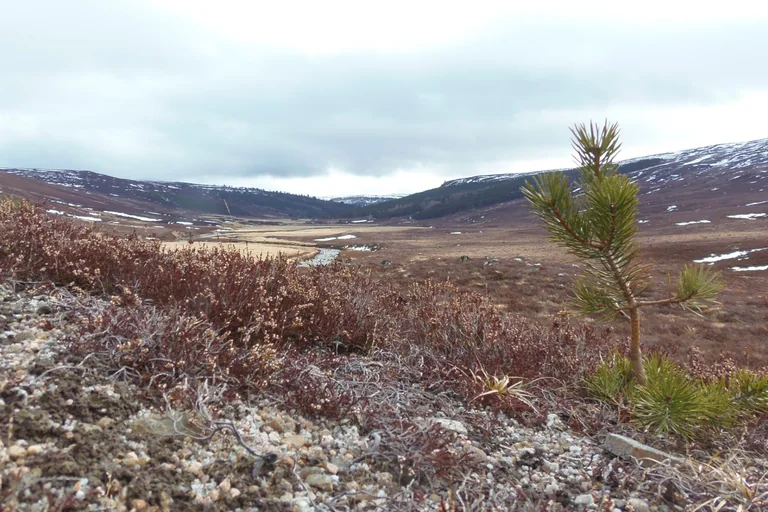
Two routes that can meet
Picture two areas side by side. One already has good young trees, the other almost none. They don’t need the same answer. Planting lets you choose the stock and spacing. Natural regrowth comes from seed or shoots and depends more on seedbeds and weather. Good natural regrowth can also fill in around planting.
Start with what is already growing. Keep healthy trees that suit the site and plant the gaps, instead of treating the whole area the same.
What does a faster start really mean?
Skogsstyrelsen describes natural regeneration as potentially slower and less even than planting. This concerns establishment. Later growth and suitable harvesting time also depend on species, site and management; there is no universal number of years saved.
Think about the chance of success and the work that will follow. A faster start alone does not decide when the stand can be harvested.
More than a seedling count
Match species to soil, moisture, climate and damage risk. Density affects competition and later work, but more seedlings is not automatically better. Healthy roots and a good planting spot matter as much as the number.
Work out seedlings only for the area you will actually plant. Water margins, habitat you keep and areas with enough natural regrowth are judged separately.
Has the new forest established?
Check survival and spread, not just hectares planted. Skogforsk trials of natural regrowth before final felling show what is possible in certain conditions, not a guarantee for every site.
Mark gaps, damaged seedlings and places smothered by grass or shrubs. If you want to use young trees already growing under the old forest, plan to protect them before harvesting.
Your next step
Prepare a map and description of soil and moisture, and agree how establishment will be checked.