
HK SILVIA AB · Forest Guide
From seedling to a valuable forest
How regeneration, timely clearing and good harvesting preparation affect how your forest grows, the timber quality and its future value.
A guide for forest owners in Sweden. The stages show a common path, not a fixed timetable. What you do depends on species, site, natural values and your goals.
The forest lifecycle 01 / 06
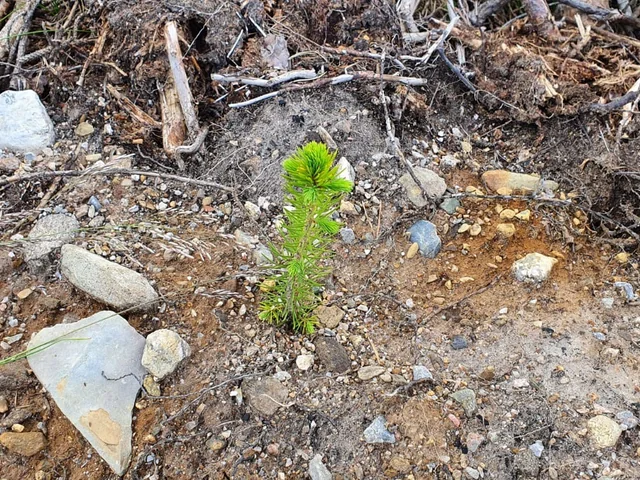
Regeneration and planting
The right species and regeneration method are the foundation of the next forest. Check that seedlings take after planting. Where good natural regrowth already exists, you can combine the two.
Explore this stageThe forest lifecycle 02 / 06
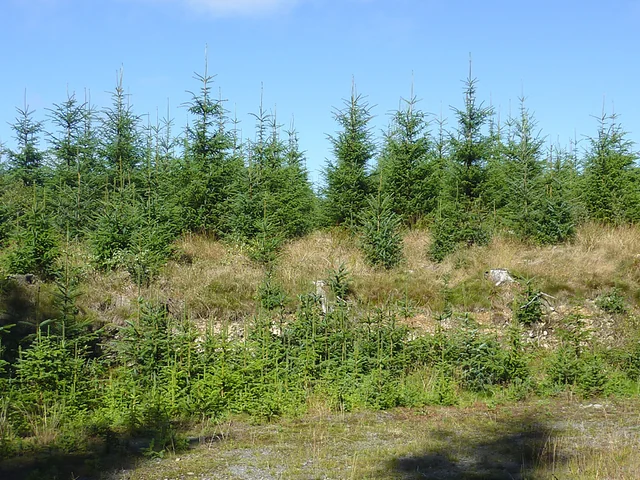
First young stand clearing
Choose the trees for the future stand and give them room. Clearing shapes the species mix and reduces competition for light. Crowns and height tell you when, not age alone.
Explore this stageThe forest lifecycle 03 / 06
Repeat young stand clearing
Sprouts and smaller trees can catch up after the first clearing. If competition comes back, another clearing may be needed. Look at how the first one turned out and how the trees grow.
Explore this stageThe forest lifecycle 04 / 06
First commercial thinning
When trees are big enough, some can be sold as timber and the rest get more room. Look at quality, stability, costs and machine access together.
Explore this stageThe forest lifecycle 05 / 06
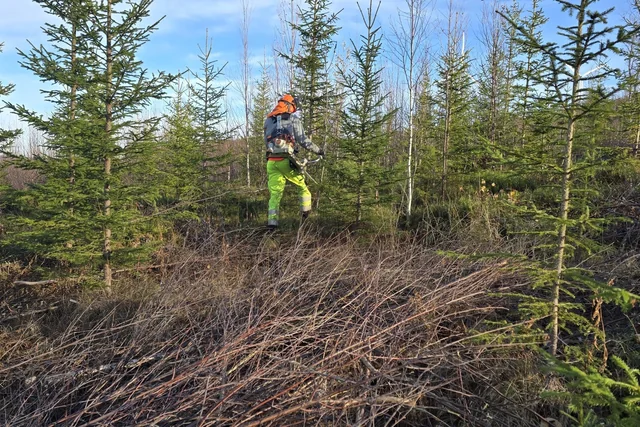
Understorey clearing before harvesting
Dense shrubs and small trees can hide stem bases and get in the harvester’s way. Clear where it helps people see and work. Decide first which habitat and harmless vegetation stay.
Explore this stageThe forest lifecycle 06 / 06
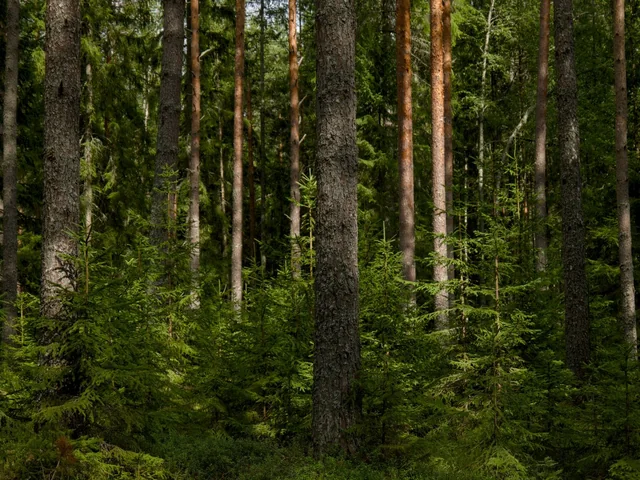
Harvesting and the next generation
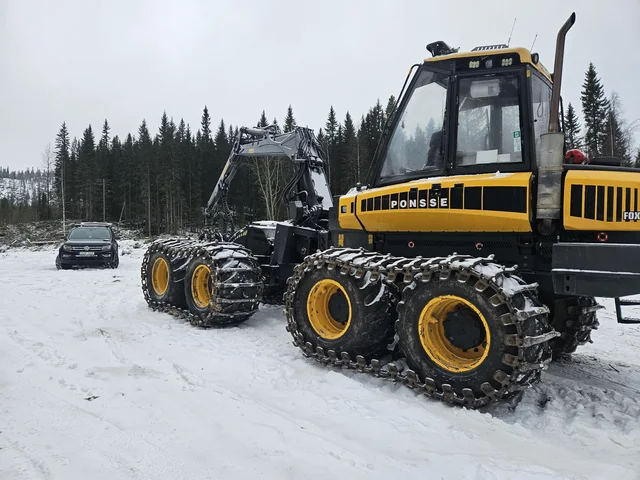
Plan harvesting together with forwarding and regeneration. Access, how much weight the ground can take and the trees you keep decide the order. Big or hard-to-reach trees may need felling by hand.
Explore this stageChoose a stage in the circle or the sequence.
A schematic cycle. The timing of operations depends on the conditions of each stand.
Six stages of forest development
Regeneration and planting
The right species and regeneration method are the foundation of the next forest. Check that seedlings take after planting. Where good natural regrowth already exists, you can combine the two.
What should you check on site?
Walk the wet and the dry parts. Check that seedlings are alive and spread evenly, and look for gaps, browsing damage and seedlings smothered by grass or shrubs. Mark where extra planting or weeding may be needed.
First young stand clearing
Choose the trees for the future stand and give them room. Clearing shapes the species mix and reduces competition for light. Crowns and height tell you when, not age alone.
What should you check on site?
Do the chosen tops get light? Are neighbours growing over them, bending or damaging them? Check there are enough healthy trees to keep and mark habitat features before work.
Repeat young stand clearing
Sprouts and smaller trees can catch up after the first clearing. If competition comes back, another clearing may be needed. Look at how the first one turned out and how the trees grow.
What should you check on site?
Compare the kept tops with the regrowth around them. Look at dense and open parts: work may be needed only in some places. Decide what stand you want after the next clearing.
First commercial thinning
When trees are big enough, some can be sold as timber and the rest get more room. Look at quality, stability, costs and machine access together.
What should you check on site?
Check the crowns, stem quality and damage. Talk to the planner about which trees to keep and how hard to thin, including protecting soil and water. Judge the need for understorey clearing separately.
Understorey clearing before harvesting
Dense shrubs and small trees can hide stem bases and get in the harvester’s way. Clear where it helps people see and work. Decide first which habitat and harmless vegetation stay.
What should you check on site?
Can the stem bases be seen from where the machine will stand? Where will small trees get in the way of the head? Mark clearing zones separately from water margins and vegetation to keep.
Skogforsk — Förröjning underlättar bränsleanpassad slutavverkning, Resultat nr. 17/2009, s. 1–3 ↗
Harvesting and the next generation
Plan harvesting together with forwarding and regeneration. Access, how much weight the ground can take and the trees you keep decide the order. Big or hard-to-reach trees may need felling by hand.
What should you check on site?
Check boundaries, roads, wet areas and the landing. Mark difficult trees and areas to keep. Agree how the site will be regenerated and how the finished work will be checked.